
What Is Orthodontic Treatment, and Why Does Age Matter?
Adult orthodontic treatment differs from teen treatment primarily because adults have fully developed bones and denser skeletal structures. This results in longer timelines, different appliance choices, and added considerations like periodontal health, previous dental restorations, and sometimes the need for surgical coordination.
Orthodontic treatment straightens teeth and corrects jaw alignment using braces, clear aligners, or specialized appliances. The goal is the same at 15 or 50: a healthier bite and a confident smile. But your age shapes how treatment unfolds.
The key difference? Growth. Teens still have developing jaws and bones that respond quickly to orthodontic forces. Adults have fully matured skeletal structures, which changes the treatment approach entirely.
Age also influences how your body heals and adapts. Younger patients have more active cellular turnover, meaning their bone tissue breaks down and rebuilds faster in response to orthodontic pressure. For adults, that biological process slows down, which is why treatment plans look different even when the alignment issues are identical. The type of appliance, the force levels applied, and the frequency of adjustments all shift based on skeletal maturity.
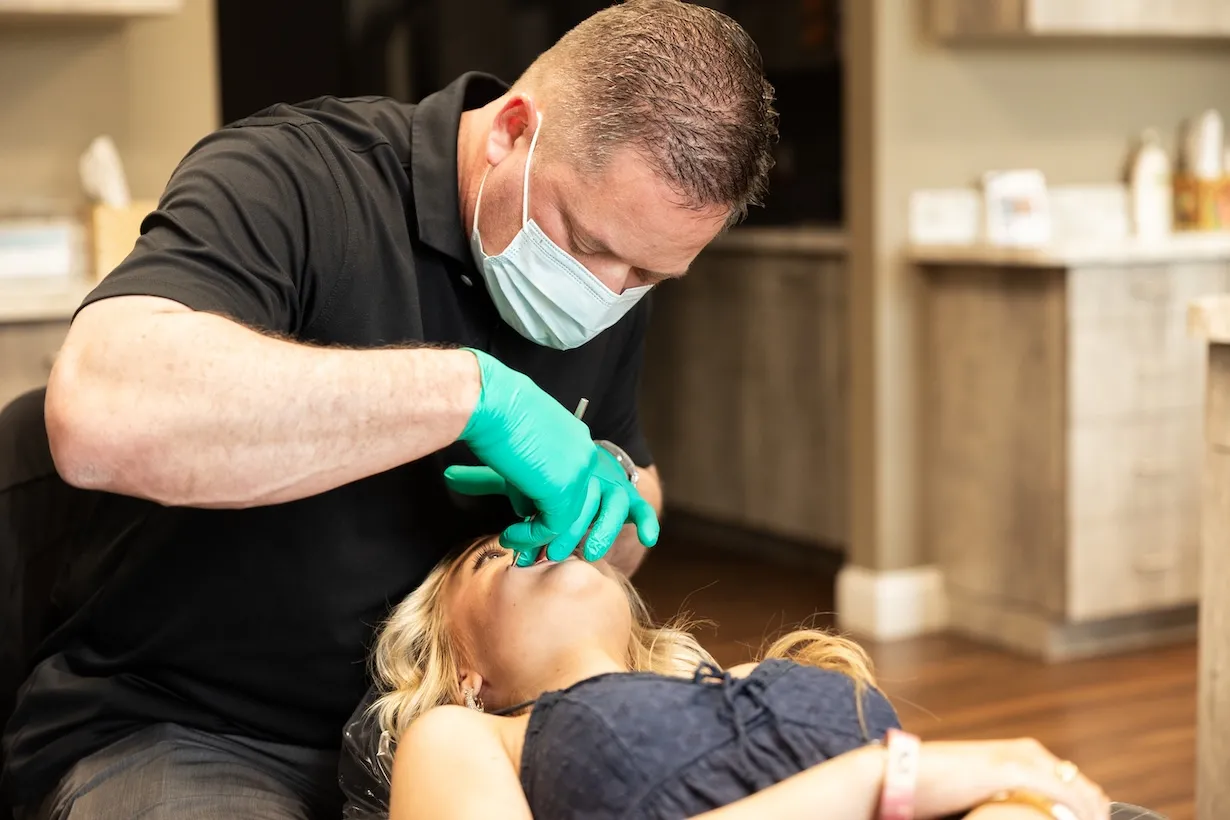
Dr. Shawn Rice evaluates every patient individually at Rice Orthodontics in Paducah because no two smiles are alike. With over 24 years of clinical experience, Dr. Rice understands that a 14-year-old with crowding needs a different plan than a 40-year-old with the same issue. Knowing these differences helps you understand what to expect from your own treatment.
How Orthodontic Treatment Works Differently for Adults and Teens
Growing and non-growing patients respond differently to orthodontic forces. That distinction shapes everything from your treatment plan to your timeline.
How Does Growth Affect Teen Orthodontic Treatment?
Teenagers have a major advantage. Their jaws are still developing, which means orthodontists can actually guide skeletal growth while straightening teeth. This opens up treatment options that simply aren't available for adults.
Palatal expanders, for example, work beautifully in younger patients. These devices widen the upper jaw by separating the growth plate before it fuses. For teens, this process is relatively comfortable and highly effective.
Bone remodeling happens faster in adolescents too. Their cells respond quickly to the gentle pressure from braces or aligners, allowing teeth to shift into new positions more efficiently. Dr. Rice uses these growth-guided approaches regularly for teen patients in Paducah, taking advantage of that natural biological window.
How Does Adult Bone Density Change the Approach?
Adult bones are denser and fully developed. Growth plates? Fused. This doesn't mean treatment won't work, but the approach changes.
Moving teeth in adults takes more time and careful force calibration. Bone remodels at a slower pace, so patience becomes part of the process. The results, though, are just as rewarding.
Previous dental history plays a bigger role in adult cases too. Crowns, bridges, root canals, or even missing teeth all factor into planning.
Dr. Rice draws on over two decades of clinical experience and accounts for existing restorations when designing your treatment, sometimes coordinating with your general dentist for the best outcome. Periodontal health matters more here as well. Gum tissue and bone support need to be healthy before orthodontic forces are applied, and some adults benefit from preliminary periodontal treatment before starting braces or aligners.
For significant jaw discrepancies, adults may need surgical orthodontics. Where a teen's jaw could be guided during growth, an adult's fully formed jaw sometimes requires surgical repositioning combined with orthodontic treatment. Dr. Rice walks you through every option so you understand the full picture before getting started.
Benefits of Orthodontic Treatment at Every Age
Teens and adults both gain real advantages from orthodontic care. Teens benefit from faster treatment and growth modification, while adults benefit from higher compliance, discreet options, and strong self-motivation. Both groups achieve improved bite function and confidence. The specifics just show up in different ways.
What Do Teens Gain From Orthodontic Treatment?
Teens who start orthodontic treatment during adolescence get the advantage of biology working in their favor. Active bone growth means faster tooth movement, shorter treatment timelines, and the ability to guide jaw development before skeletal maturity sets in. Here are the specifics:
- Treatment moves faster thanks to active bone growth and cellular response
- Growth modification can head off more serious issues down the road
- Wear patterns caught early protect permanent teeth before real damage develops
- Feeling good about your smile during high school matters, and straight teeth help
- Strong oral hygiene habits built now stick with teens for life
Starting treatment during adolescence often means simpler, shorter treatment. Issues caught early rarely become complex adult cases.
What Do Adults Gain From Orthodontic Treatment?
Adults who pursue orthodontic treatment bring something teens often lack: personal motivation. Because adults choose treatment for themselves, they tend to follow through with instructions, show up to every appointment, and take ownership of their results. That commitment makes a real difference in outcomes.
- Adults choose treatment for themselves, which drives higher compliance rates
- Strong personal motivation leads to excellent results
- Discreet options like clear aligners fit right into professional and social life
- Straight teeth are easier to clean, protecting your existing dental investments
- More confidence at any stage of life, plain and simple
Dr. Rice and the team see this play out regularly at the Paducah office. When you're invested in your own smile, you follow through.
Both groups walk away with better bite function, easier cleaning, and the confidence that comes with a smile you're proud to share.
Adult vs. Teen Orthodontics: A Side-by-Side Comparison
| Factor | Teen Treatment | Adult Treatment |
|---|---|---|
| Typical Duration | 12-24 months | 18-30 months |
| Jaw Growth | Active, can be guided | Complete, fully developed structure |
| Bone Response | Faster remodeling | Slower, requires more time |
| Common Appliances | Traditional braces, expanders | Clear aligners, ceramic braces |
| Compliance Support | Parental oversight | Self-motivation |
| Lifestyle Concerns | School, sports, social activities | Professional image, busy schedules |
| Prior Restorations | Usually minimal | Often includes crowns, bridges |
| Periodontal Considerations | Rarely an issue | May need evaluation first |
| Treatment Complexity | Often straightforward | May involve coordination with other providers |
What Does This Comparison Mean for Your Treatment?
Teens benefit from biology working in their favor. Treatment moves faster when bones are still growing and cells are highly active.
Adults bring maturity and commitment to their treatment. They attend appointments consistently, follow instructions carefully, and often achieve excellent results despite the biological differences.
There's no expiration date on straight teeth. If you're thinking about it, that's reason enough to schedule a free consult at Rice Orthodontics.
How Do Lifestyle Factors Shape Each Experience?
Teens juggle school schedules, sports, and social events. Braces need to work around mouthguards, band practice, and prom photos. Parents often coordinate appointments and help manage care at home, which adds a layer of support that teens rely on.
Adults face different logistics. Work meetings, travel schedules, and professional appearances all influence appliance selection. Many adults in Paducah choose clear aligners specifically because they're removable and nearly invisible during the workday. Dr. Rice factors your daily life into every recommendation, making sure your treatment fits how you actually live.
Cost Factors: Does Adult Treatment Cost More Than Teen Treatment?
Adult orthodontic treatment often costs slightly more than teen treatment due to longer timelines, greater complexity, and potential need for coordination with other dental specialists. However, complexity, not age, is the primary cost driver. Here's how to plan realistically.
What Influences Total Treatment Cost?
The biggest factor is treatment complexity. A mild spacing case costs less than severe crowding with bite issues, regardless of patient age.
Appliance type affects pricing too. Traditional metal braces, ceramic braces, and clear aligners each come at different price points. Dr. Rice recommends options based on your specific needs rather than defaulting to one approach.
Longer treatment means more appointments and adjustments. Adult cases that take 24-30 months naturally involve more visits than 12-month teen cases, and that adds up.
Then there are the extras. If you need periodontal work, extractions, or coordination with other dental specialists, those factor into overall cost as well.
How Do Insurance and Payment Options Differ?
Many teens benefit from orthodontic coverage under family dental plans. These policies often include lifetime orthodontic benefits that cover a significant portion of treatment.
Adult orthodontic insurance coverage varies widely. Some plans include it, others don't. Adults can often use FSA or HSA funds to pay with pre-tax dollars, which provides meaningful savings.
Rice Orthodontics offers low monthly payment options for both teens and adults. Flexible financing makes treatment accessible regardless of insurance situation. A free consult includes a clear breakdown of costs and payment options specific to your case.
Who Is a Candidate for Orthodontic Treatment as an Adult or Teen?
Good candidates for orthodontic treatment exist at every age. Teens typically begin between ages 11 and 13 when permanent teeth have erupted and jaw growth is active. Adults need healthy gums and adequate bone support. Dr. Rice evaluates each patient individually to determine readiness.
Who Is a Good Teen Candidate?
The American Association of Orthodontists recommends an initial evaluation around age 7, but most teens begin active treatment between ages 11 and 13. This timing works because most permanent teeth have erupted, jaw growth is active, and patients are mature enough to participate in their care.
Dr. Rice evaluates teen patients for crowding, spacing, overbite, underbite, crossbite, and other alignment issues. Early intervention sometimes prevents more involved treatment later.
Who Is a Good Adult Candidate?
Healthy adults of any age can pursue orthodontic treatment, and Rice Orthodontics in Paducah treats adults at every stage of life. The requirements are straightforward: healthy gums without active periodontal disease, adequate bone support around teeth, commitment to the treatment process, and realistic expectations about timelines.
Adults with periodontal concerns aren't automatically disqualified. They may need to work with a periodontist first to establish healthy tissue before orthodontic treatment begins.
Previous orthodontic treatment doesn't prevent future treatment either. Many adults who had braces as teens seek re-treatment after teeth have shifted over the years.
What Conditions Are Treatable at Any Age?
Whether you're a teen or adult, orthodontics can address:
- Crowded or overlapping teeth
- Gaps and spacing issues
- Overbite (upper teeth protrude over lower)
- Underbite (lower teeth sit in front of upper)
- Crossbite (teeth don't align properly side to side)
- Open bite (teeth don't meet when jaw closes)
A free consult with Dr. Rice determines which approach works best for your specific situation. He brings precision & passion through custom care to every evaluation.
Frequently Asked Questions About Adult vs. Teen Orthodontics
Is orthodontic treatment more uncomfortable for adults than teens?
Soreness levels are similar for both age groups. Adults may notice tenderness lasting slightly longer after adjustments because bone remodels more slowly. Modern orthodontic techniques minimize soreness for everyone, and most patients manage any sensitivity with over-the-counter relief for a day or two.
Can adults get braces even if they had them as a teenager?
Absolutely. Teeth naturally shift throughout life, and many adults find their teenage results have changed over the years. Re-treatment is common and effective. Dr. Rice evaluates your current situation and creates a fresh treatment plan based on where your teeth are now.
How long does adult orthodontic treatment take compared to teens?
Adult treatment typically runs 18-30 months, while teen treatment often wraps up in 12-24 months. The difference comes from slower bone remodeling in adults and sometimes greater treatment complexity. Mild cases in adults can finish just as quickly as teen cases, though.
Are clear aligners better for adults than traditional braces?
Clear aligners work well for many adults because they're discreet and removable. But "better" depends on your specific case. Some bite issues respond more effectively to traditional braces. Dr. Rice recommends the option that will give you the best results based on your individual needs.
Is there an age limit for orthodontic treatment?
No upper age limit exists. Patients in their 60s, 70s, and beyond successfully complete orthodontic treatment. The determining factors are gum health and bone support, not age itself. As long as your periodontal foundation is healthy, treatment can work for you.
If you're curious about what orthodontic treatment could look like for you or your teen, Rice Orthodontics in Paducah is a great place to start. Dr. Rice and the team offer personalized care for every smile, and your first visit includes a full evaluation with a clear plan. No pressure, no commitment, just answers. Get started on your best smile whenever you're ready.